
MODELS HOUSE ACADEMY · 28 September 2026 · Models House Editorial
Types of Modelling: Which Kind of Model Could You Be?
Explore 14 types of modelling including fashion, runway, commercial, beauty, e-commerce, fitness, parts, petite, curve, mature, male, teen and child modelling — and learn which market may suit you.
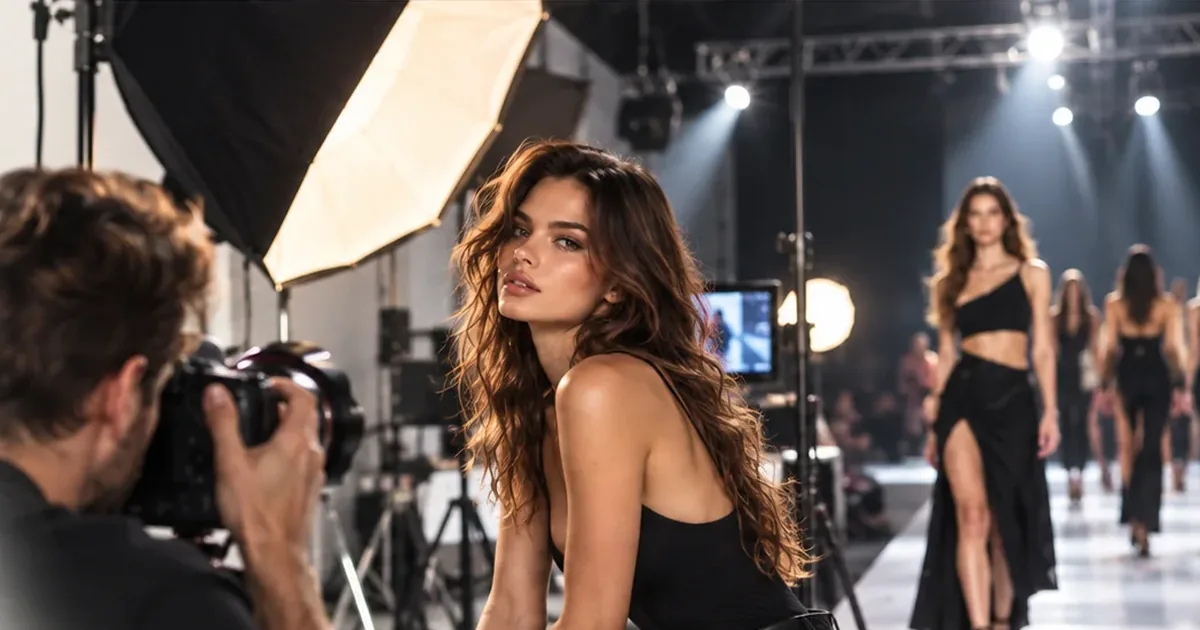
Modelling is not one job. Fashion, commercial, beauty, e-commerce and specialist clients all book different kinds of people for different reasons. Understanding the main types of modelling helps you choose better photographs, approach the right agencies and apply for castings that actually suit you.
There is no single “model look”. Height and measurements can matter strongly in runway and some fashion markets, while commercial, lifestyle, beauty, parts, fitness, e-commerce and mature modelling can work with a much wider range of ages, appearances and body types.
Fashion and editorial modelling
Fashion and editorial modelling is built around clothing, designers, magazines and visual storytelling. Editorial images may be highly styled and are often used to create an idea or mood rather than simply sell one product.
Runway sits close to this market and can have stricter requirements because designers prepare sample garments to particular proportions. Those requirements vary by city, agency, client and collection, so avoid treating one set of measurements as a universal rule.
Useful portfolio evidence: clean full-length images, strong fashion photographs, movement, profile views and confident camera presence.
Runway modelling
Runway models present clothing live. Beyond appearance, the job requires posture, pace, turns, spatial awareness, confidence in different footwear and the ability to follow a show director’s instructions precisely.
If runway interests you, practise technique rather than copying exaggerated social-media walks. Start with our beginner runway walk guide and watch how professional shows differ by designer and market.
Commercial modelling
Commercial modelling is one of the broadest markets. Models appear in advertising for travel, banking, technology, healthcare, food, retail, property, education and countless everyday products and services.
Clients frequently need people who feel believable and relatable rather than traditionally “fashion”. Age, personality, expression and the ability to take direction can be more important than runway proportions.
Useful portfolio evidence: natural smiles, believable expressions, lifestyle situations, clean portraits and images that show warmth and personality.
Lifestyle modelling
Lifestyle modelling overlaps with commercial work but usually places the model in a recognisable situation: friends at a café, a family at home, travellers at a hotel, a professional at work or someone using a product naturally.
Being comfortable interacting with other people and producing genuine-looking expressions is valuable. The aim is often to make the audience imagine themselves in the scene.
Beauty modelling
Beauty work concentrates on the face and close detail for cosmetics, skincare, hair, jewellery and similar campaigns. Small changes in eyes, mouth, head angle and hands become very visible at close range.
Healthy presentation and good grooming matter, but heavy retouching in a beginner portfolio can work against you because clients need to understand what you actually look like. See our photoshoot grooming guide.
E-commerce modelling
E-commerce models help online retailers show products clearly and consistently. A single booking may involve many garments, repeated angles and a fast shooting rhythm.
Reliability, stamina, repeatable posing and the ability to make small variations without slowing production are useful skills. Your portfolio should show clean full-length work and how clothing sits on your body.
Fitness and sports modelling
Fitness modelling covers sportswear, equipment, gyms, wellness campaigns and active lifestyle advertising. Clients may look for specific athletic abilities as well as appearance, particularly when the campaign involves credible movement.
Do not confuse fitness modelling with an instruction to pursue an extreme body shape. Different brands serve different customers, sports and body types.
Parts modelling
Parts models are booked for particular features such as hands, feet, legs, hair, eyes or teeth. Product advertising, jewellery, cosmetics, footwear and close-up demonstrations all use specialist models.
For this market, create technically clean close-ups of the relevant feature and show consistency. A strong specialist feature can create opportunities even when traditional fashion modelling is not your market.
Petite modelling
“Petite” generally describes models below the height commonly requested for traditional high-fashion runway. That does not prevent work in commercial, beauty, e-commerce, lifestyle, parts or creator-led campaigns.
If height is your concern, read Do You Have to Be Tall to Be a Model? and focus on markets where your complete look and ability match the brief.
Plus-size and curve modelling
Fashion and commercial clients increasingly cast models across a broader range of clothing sizes. Requirements still vary by brand and sample range, but curve and plus-size modelling are established professional markets.
Accurate current measurements are particularly important because garments must fit on set. Learn how to record yours in our model measurements guide.
Mature modelling
Advertising needs people who represent real customers across adult age groups. Mature models can work in lifestyle, travel, healthcare, financial services, fashion, beauty, hospitality and many other commercial sectors.
Starting later does not automatically put you “behind”. A convincing, current portfolio and professional availability can matter more than how long you have called yourself a model.
Male modelling
Male models work across fashion, runway, grooming, fitness, e-commerce and commercial advertising. As with female modelling, the requirements depend on the client and market rather than one universal standard.
Explore current male model profiles and agency rosters to understand how different markets present talent.
Teen modelling
Teen modelling can include fashion, e-commerce and commercial work, but safeguarding must come first. A parent or legal guardian should be appropriately involved, and local rules about working hours, permits and education must be followed.
Models House separates teen models from adult categories so age is clear to people browsing talent.
Child modelling
Child modelling is normally driven by commercial, catalogue, clothing and lifestyle work. It requires responsible adult supervision and careful attention to local child-performance and employment requirements.
A child’s wellbeing matters more than obtaining a booking. Parents should verify productions, understand image usage and avoid anyone attempting to bypass normal safeguarding.
Influencer and creator-to-model work
Creators increasingly appear in brand campaigns because they already understand cameras, short-form content and audience communication. That does not make every influencer a professional model, but the skills can overlap.
If you already create content, build a separate modelling presentation that makes your location, measurements, photographs and modelling interests easy for casting teams to assess instead of expecting them to search through your social feed.
Which type of modelling suits you?
Start with three questions: What work is actually available in your market? What qualities do clients repeatedly respond to in you? What kind of work can your current photographs credibly support?
Then compare real agency rosters and casting briefs. Browse Models House models, our agency directory and current model castings. Look for patterns rather than trying to force yourself into the category that sounds most glamorous.
Build the right portfolio for your market
Your portfolio should answer the client’s question: “Can I picture this person doing my job?” A beauty model needs close-up evidence; an e-commerce model needs clean full-length work and posing consistency; a commercial model benefits from expression and personality.
Use our guides to choose model portfolio photos, take simple digitals at home and practise posing.
Frequently asked questions
What is the easiest type of modelling to start?
There is no guaranteed easiest category, but commercial, lifestyle and local e-commerce work often use a wider range of looks than traditional high-fashion runway. Your location, availability and suitability for a specific brief still matter.
Can I be more than one type of model?
Yes. Many working models cross categories. Your portfolio can show relevant range, but each image should still help a client understand where you fit rather than trying to show every possible style.
Do I need professional photos before I start?
No. Clear, current digitals can be enough for an initial agency submission or beginner profile. Professional tests become useful when they add the kind of work your portfolio is missing.
Can I model if I am not tall?
Yes. Height can be important for runway and some fashion work, but commercial, beauty, lifestyle, parts and many e-commerce jobs use different criteria.
How do I know whether an agency suits my type?
Study the agency’s current roster, clients and submission instructions. If they represent models working in categories similar to your strengths, that is more meaningful than applying solely because the agency is famous.
Think you could model? Start here.
You don't need an agency or a professional portfolio to begin. Create your free Models House profile and give castings, agencies and collaborators one professional place to discover you.
CREATE MY FREE MODEL PROFILE →